Overview
Food and beverage processors often rely on manual sampling and offline laboratory analysis to measure viscosity and density. These delayed measurements limit process visibility, leading to inconsistent product quality, unnecessary energy consumption, material waste, and reduced production yield.
This publication explores how Rheonics’ Balanced Torsional Resonator (BTR) technology enables real-time inline monitoring and supports the transition toward autonomous food processing through closed-loop control.
Key Findings
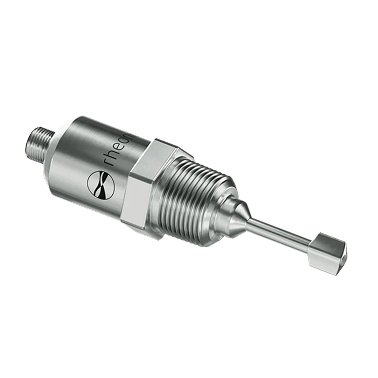
Rheonics SRV and SRD sensors measure viscosity, density, and temperature directly in the process flow. Continuous measurement enables processors to detect deviations earlier, maintain product consistency, and support automated adjustments before quality issues occur.
The publication outlines five levels of process autonomy, progressing from offline laboratory testing to AI/ML-driven predictive control. Inline sensing provides the measurement foundation for moving toward higher levels of automation.
Key application areas include:
- Cheese production: CoaguTrack provides real-time signals to support optimal curd-cutting decisions, helping improve yield and reproducibility.
- Milk powder spray drying: Inline viscosity monitoring helps stabilize droplet formation, reduce fouling-related downtime, and optimize evaporation energy.
- Alternative proteins: Inline rheological monitoring supports more consistent texture during extrusion and scale-up.
Relevance to Rheonics Technologies
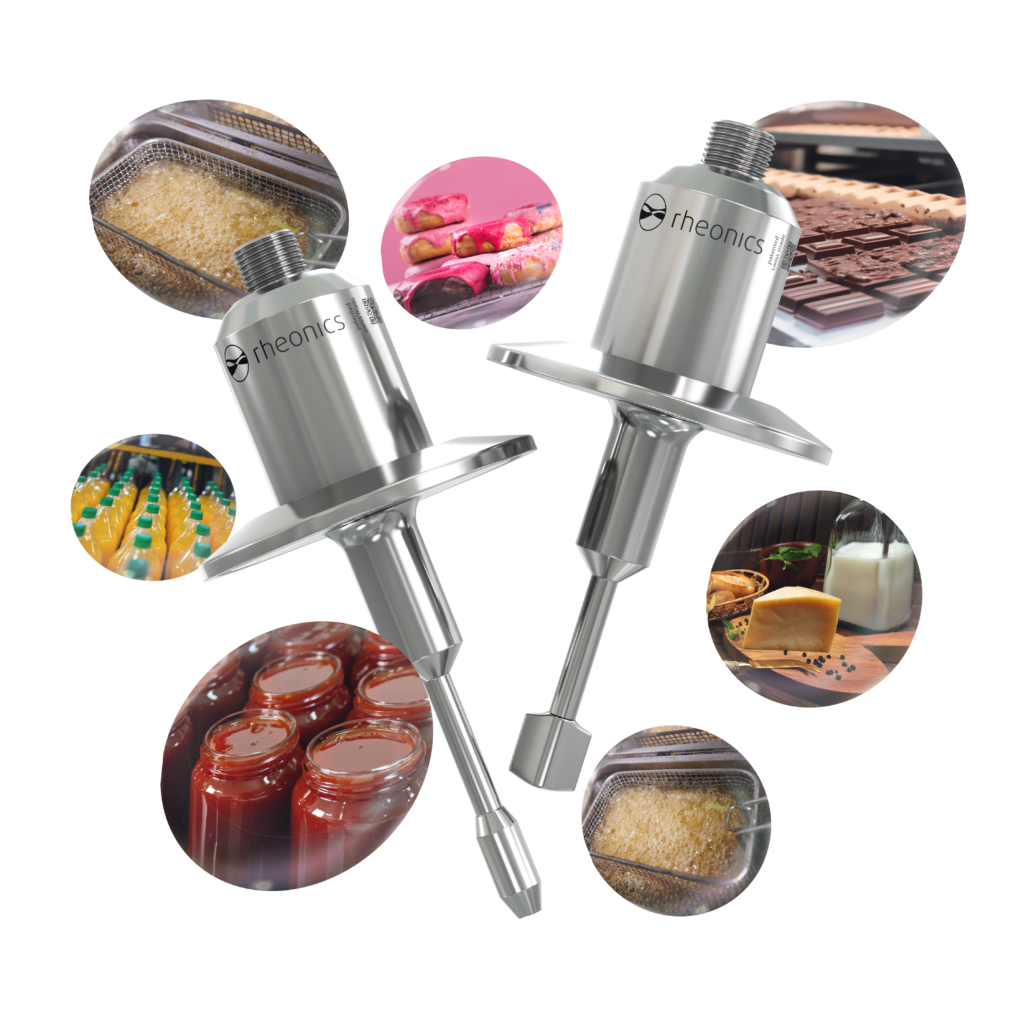
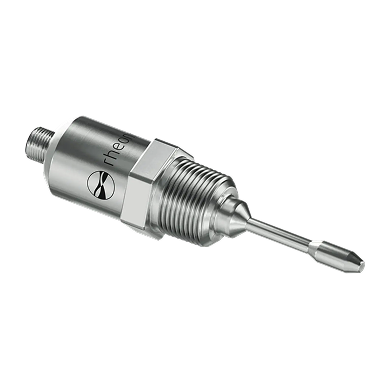
Rheonics SRV inline viscometers and SRD inline viscosity and density meters use patented BTR technology to provide reliable, real-time process data. Their robust, hygienic design supports integration into food production environments.
By combining continuous measurement with automated process control, these technologies help manufacturers improve batch consistency, production efficiency, product quality, and resource utilization.
Authors: Dr. Vijoya Sa, Dr. Sunil Kumar, Dr. Daniel Brunner, and Dr. Joe Goodbread
Connect with Rheonics
Follow us on social media to stay updated with the latest innovations, technical insights, and industry news.