
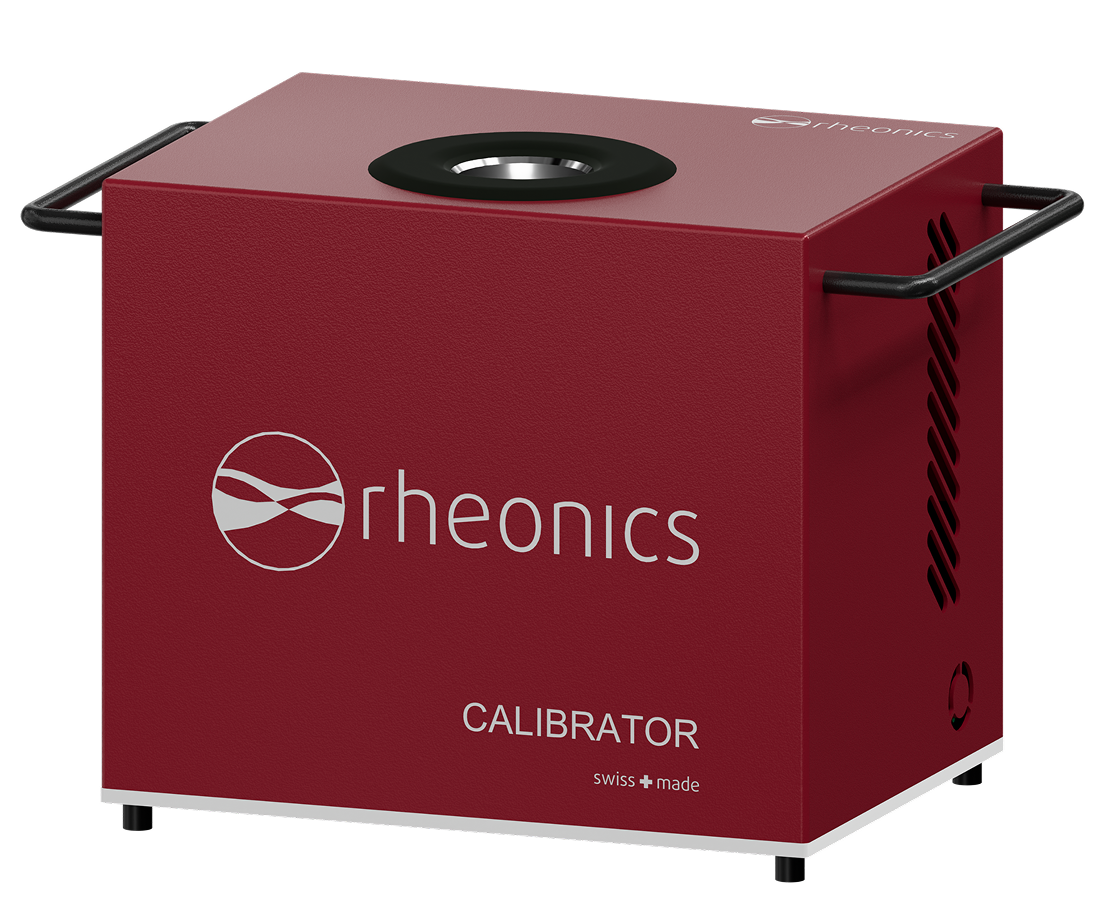
Rheonics Calibrator
Calibrator for Type-SR Sensor Probes
- Thermal chamber designed for Rheonics Type-SR Sensor probes (SRV and SRD)
- Integrated solid-state heating and cooling module
- Fluid temperature range: 10 °C (or 15 °C below room temperature) up to 150°C
Specification
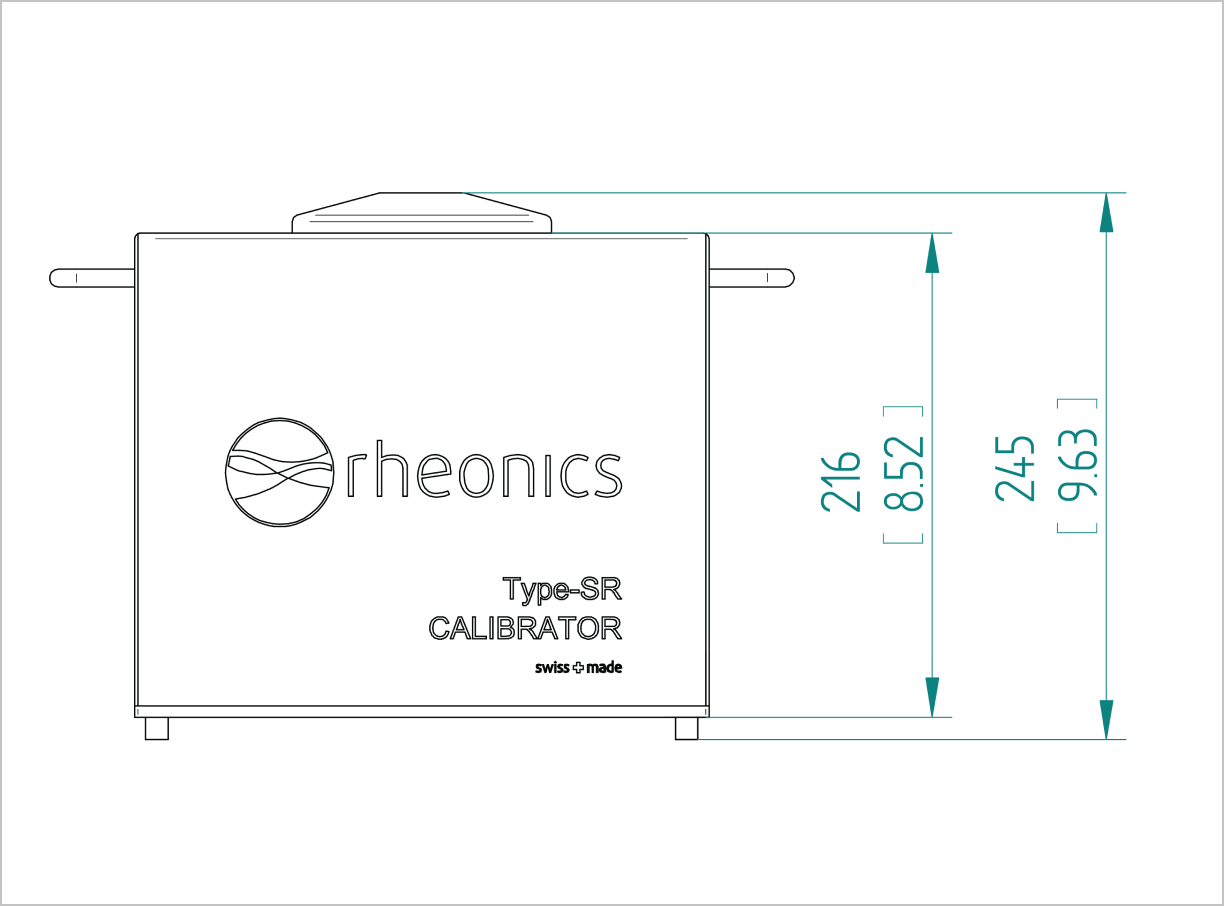
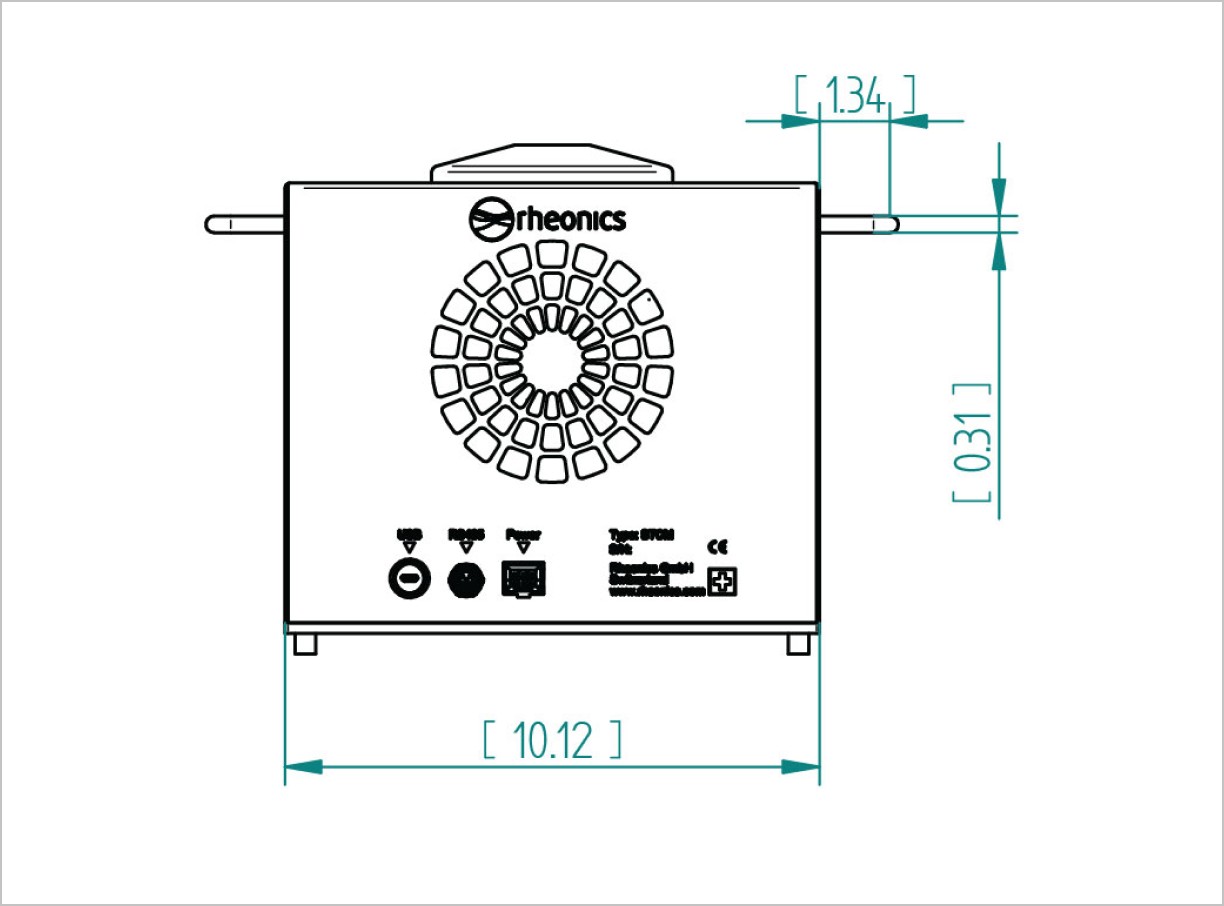
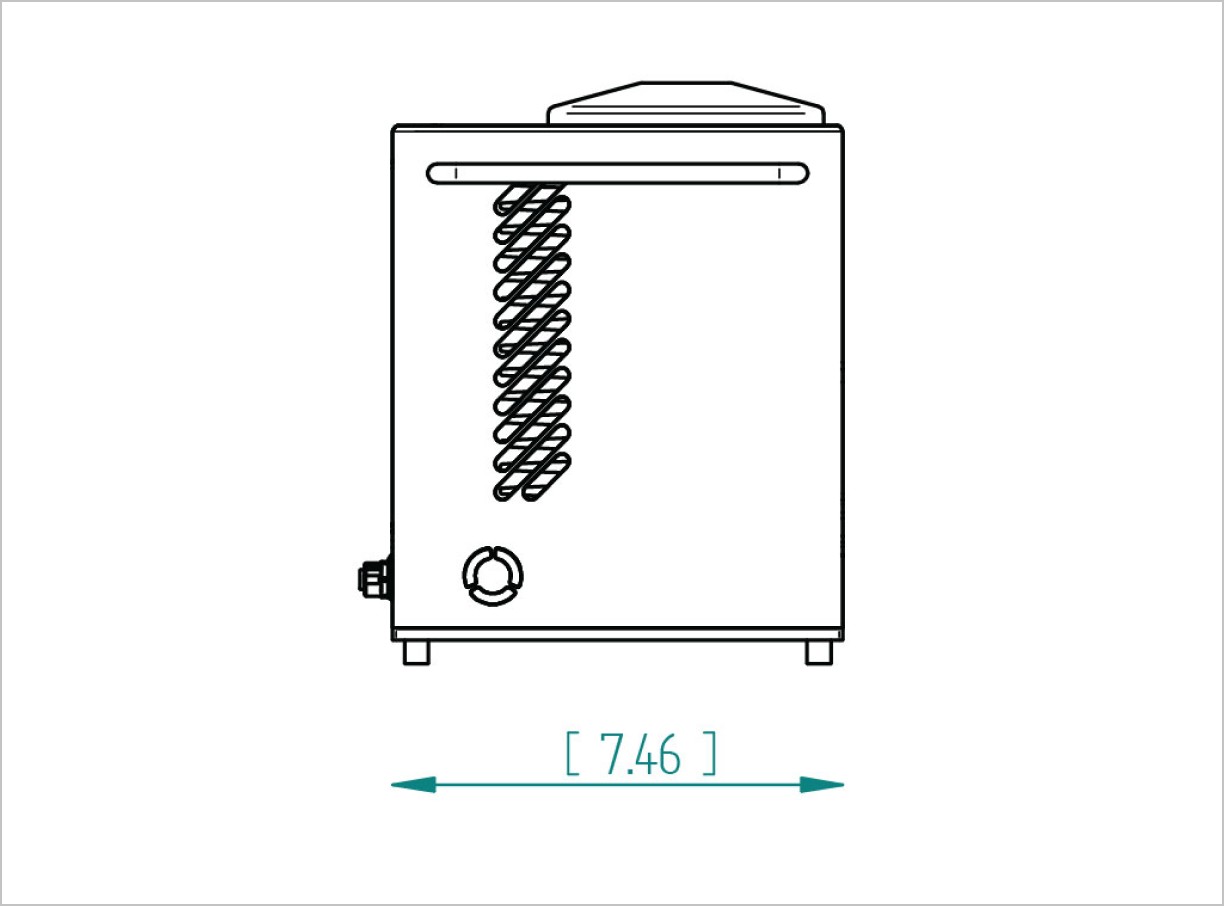
13 x 9.5 x 8.5 (inch)
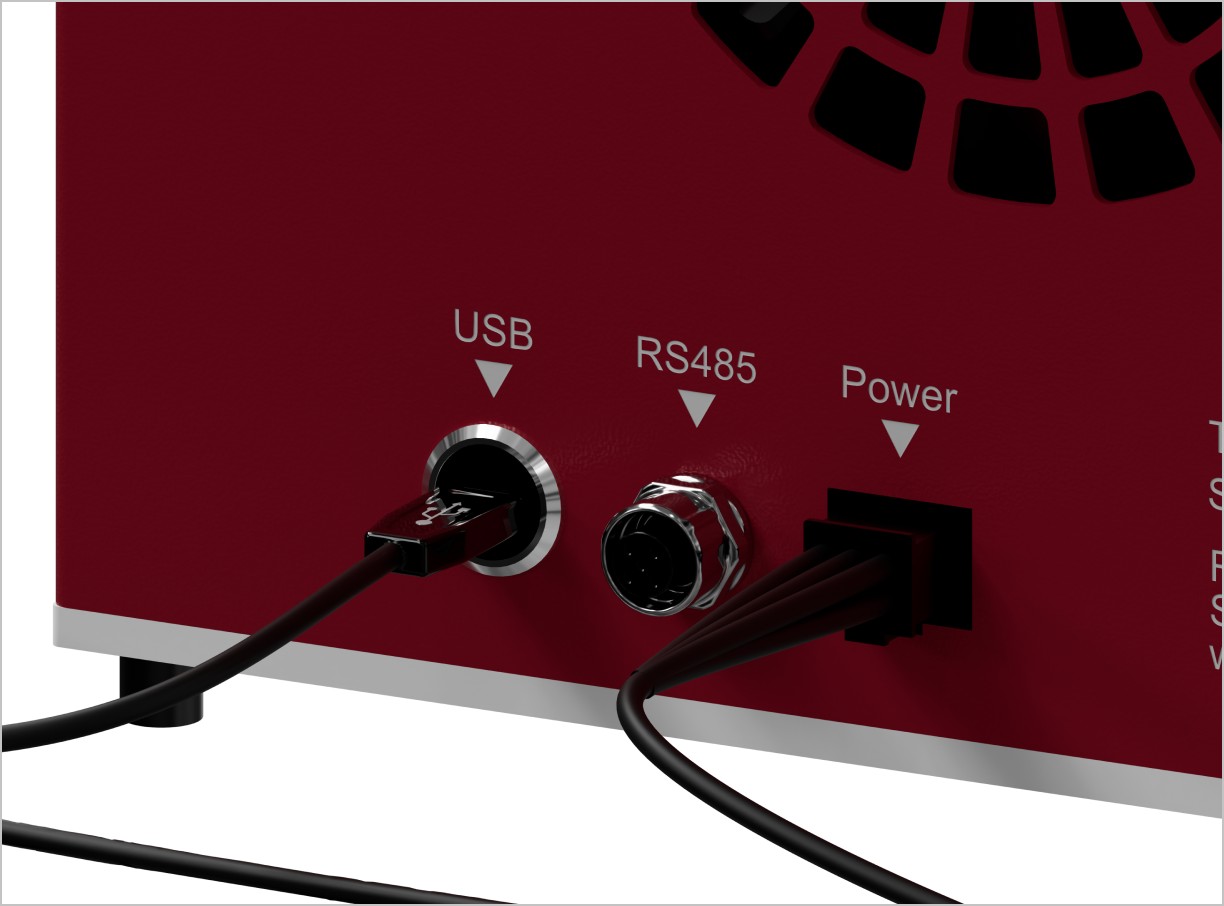
110/220 V AC
max. 360W
11 Kg (24 lb)
10 °C (or 15 °C below room temperature) up to 150°C
max. 65 °C ambient
max. 150 °F ambient
0.005 °C
- SME-BOX (E4)
- Laptop or PC
- RPS
- Class AA , ± (0.10 + 0.0017|T|) °C
How does it work?
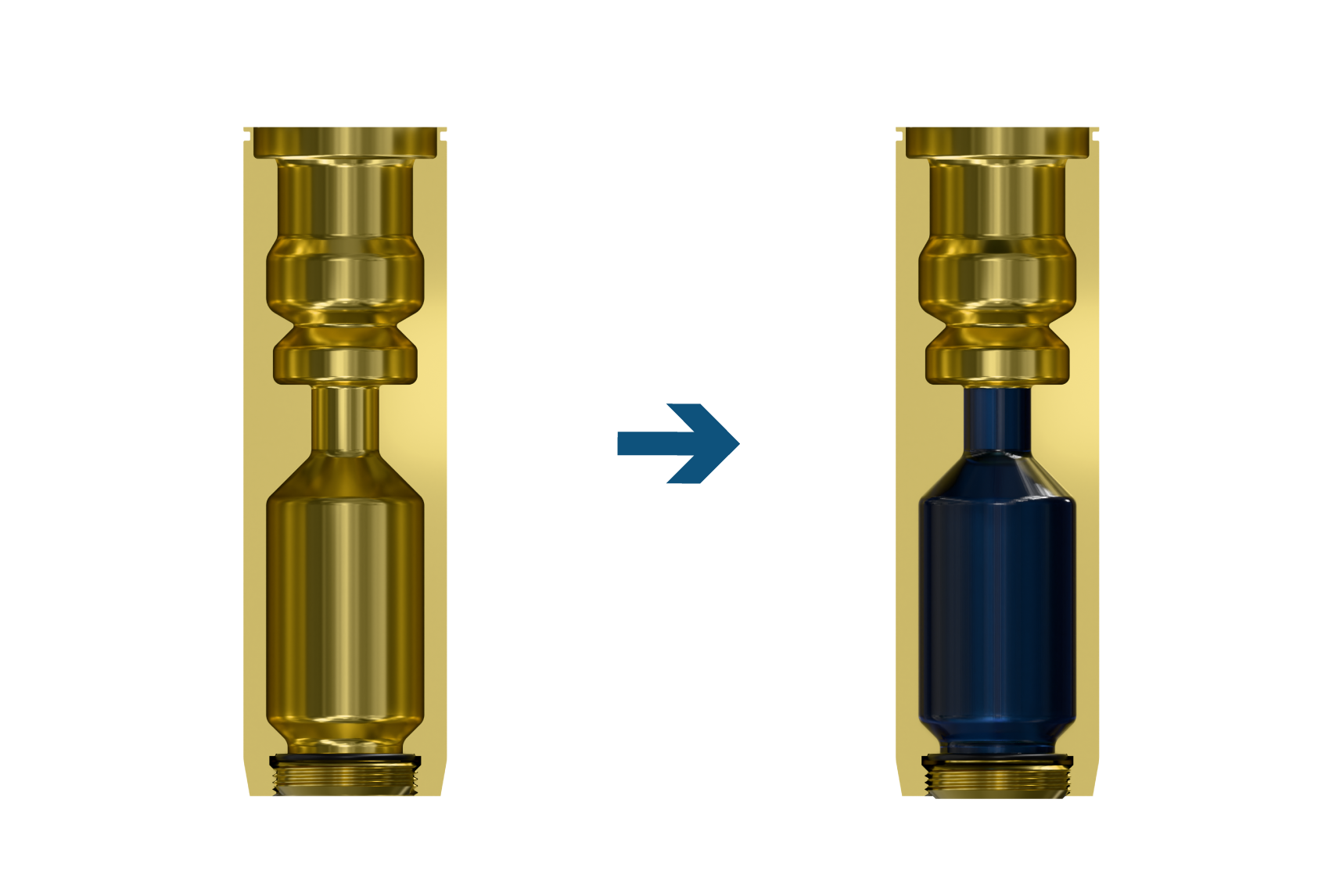
Prepare it
The Calibrator uses a Sample Fluid Cylinder that should be filled with the calibration fluid and then place the sensor probe within it.
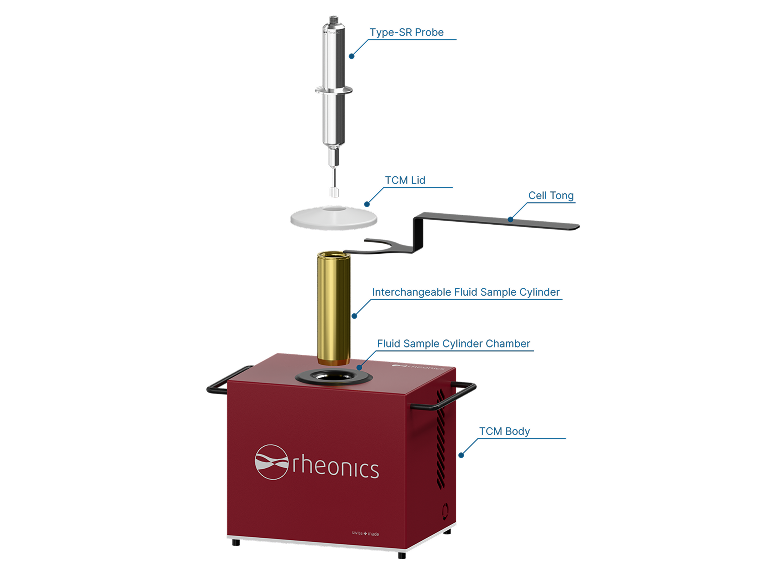
Assemble it
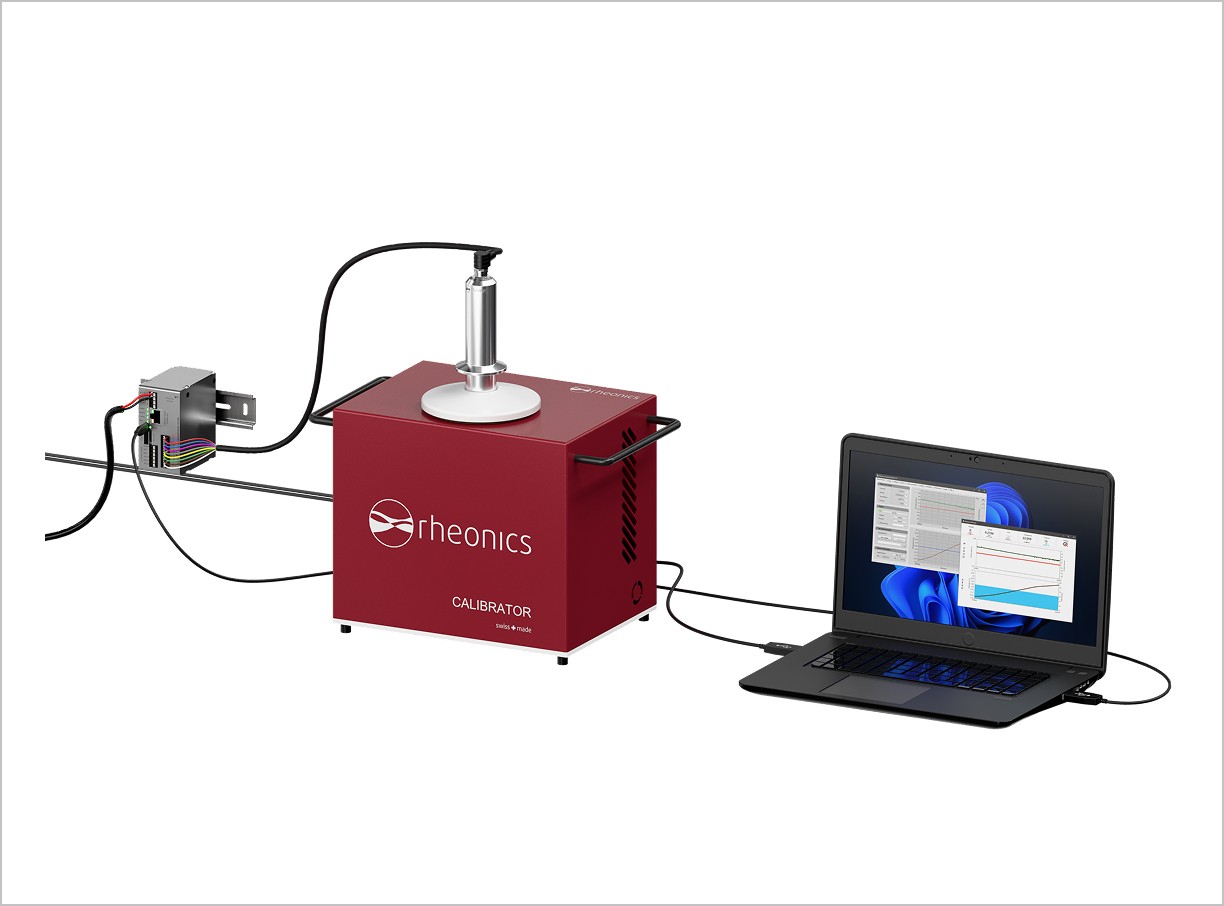
The Type-SR sensor probe and fluid sample cylinder are placed in the Calibrator.
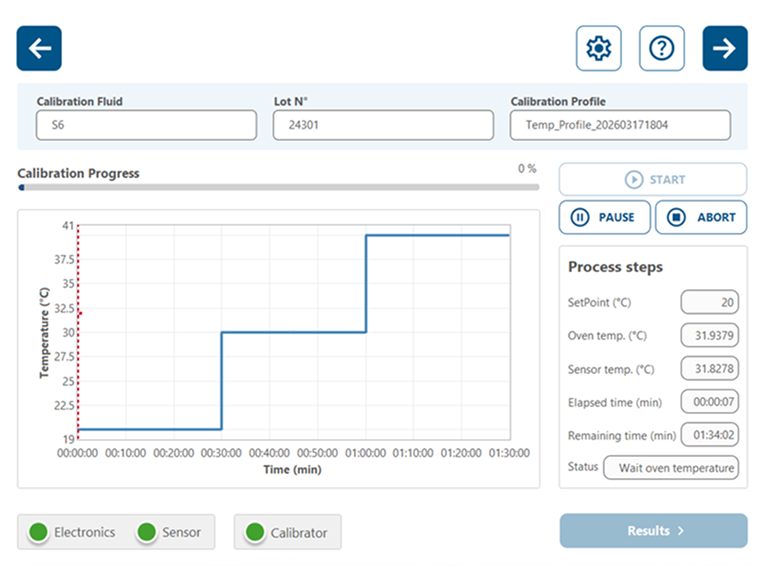
Start Calibration
The Calibrator Software is guiding the operator to define the fluid parameters, calibration set points, and start the calibration process.
Calibrator
In many industries– including pharmaceuticals, food and beverage, petrochemicals, and chemical processing– regulatory frameworks and quality standards require that measurement instruments carry valid, traceable calibration certificates. Rheonics SRV and SRD sensors are designed for high accuracy and long-term stability. To align with industry standards, the Rheonics Calibrator addresses this topic by verifying the performance of Rheonics SRV inline process Viscometer and SRD Inline process density meter and viscometer under controlled conditions, and certifying the accuracy of the readings.
The Rheonics Calibrator Software performs the measurement, adjusts the calibration if needed, and creates a calibration report, and writes a log onto the sensor electronics (SME).
The Calibrator can be used with any Sensor Module Electronics (SME) variant (SME-TRD,-TR,-DRM, or- BOX (E4)).
Why is the Calibrator useful?

On-Site
Calibration
Calibration
Certificates
High Temperature
Accuracy
Flexibility
Coefficient
Traceability

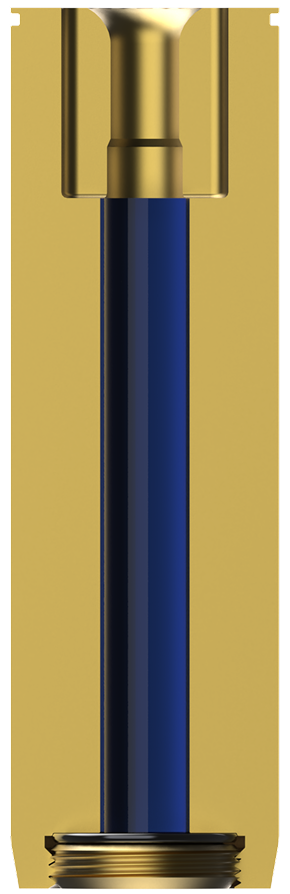
Sample Fluid Cylinder
The fluid sample cylinder is made of brass to ensure good temperature uniformity, which is crucial for accurate viscosity and density measurements. Every sample fluid cylinder has a unique serial number. There are three different types and the product key of each is part of the serial number.
Discover more! To see the probe compatibility, please refer to the manual.
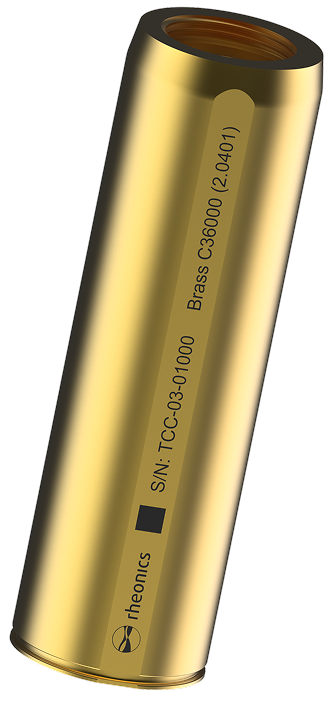
Sample Fluid Cylinder with markings
TCC-01
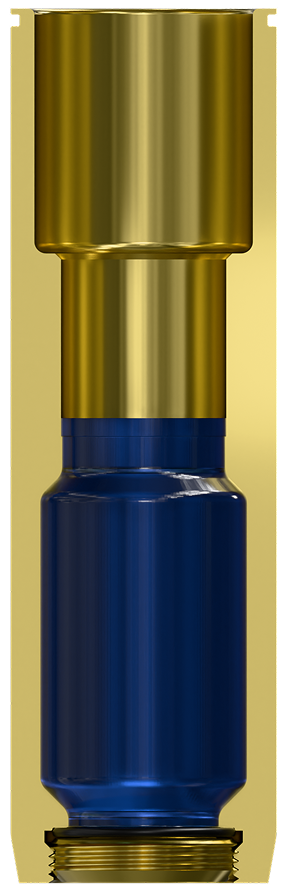
Fluid Volume:
ca. 60 ml
TCC-02
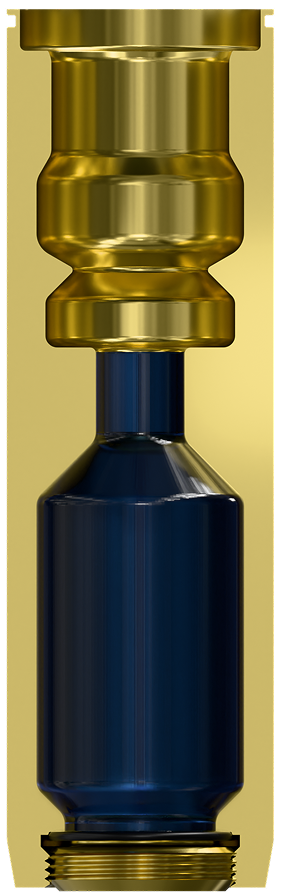
Fluid Volume:
ca. 60 ml
TCC-03
Fluid Volume:
ca. 20 ml
Calibrator Comparison
When temperature control is required for the Type-SR sensors’ operation, some alternatives to the Rheonics TCM Line are baths and thermal ovens. These are commonly used but have disadvantages, predominantly in the form factor and temperature accuracy.
The main difference between the use of the Rheonics TCM line and other laboratory standard setups for static fluids in controlled temperatures (e.g., beaker in laboratory ovens) is the accurate and stable temperature control of the fluid that the calibrator achieves. Temperature is a key parameter of a fluid; it has a significant impact on the viscosity and density measurements. This parameter should be controlled and maintained constant to achieve accurate and reliable viscosity and density readings.
| Rheonics Calibrator vs. Alternative Temperature Control Systems | |||||
|---|---|---|---|---|---|
| Product | Rheonics Calibrator | Heat Trace | Viscosity and Density Bath | Laboratory Oven | Climate Chamber |
| Characteristics | 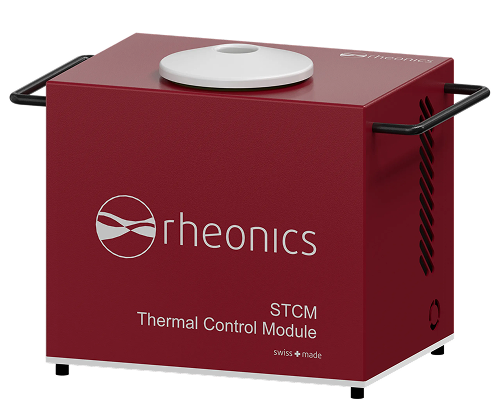 | 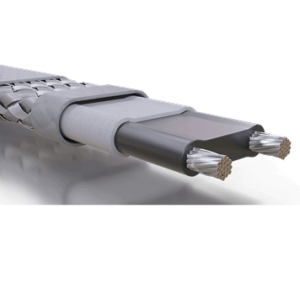 | 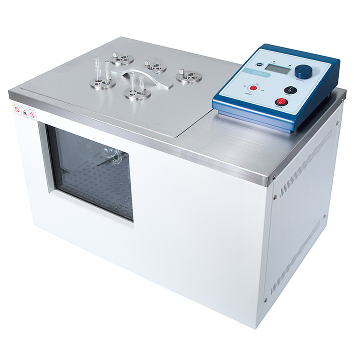 | 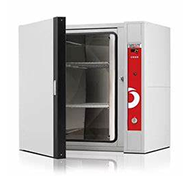 | 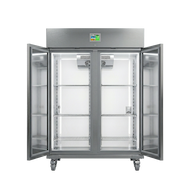 |
| Size | 330 x 235 x 220 (mm) | Defined by customer | 420 x 585 x 375 (mm) | 440 x 590 x 465 (mm) | 2250 x 2100 x 980 (mm) |
| Temperature Range | 10 °C to 150 °C | 65 °C to 200 °C | 5 °C to 100 °C | Ambient + 30 °C to 250°C | -25 °C to 70 °C |
| Temperature Accuracy | 0.05 °C | - | 0.1 °C | 5 °C | 0.3 °C |
Related TCM Products
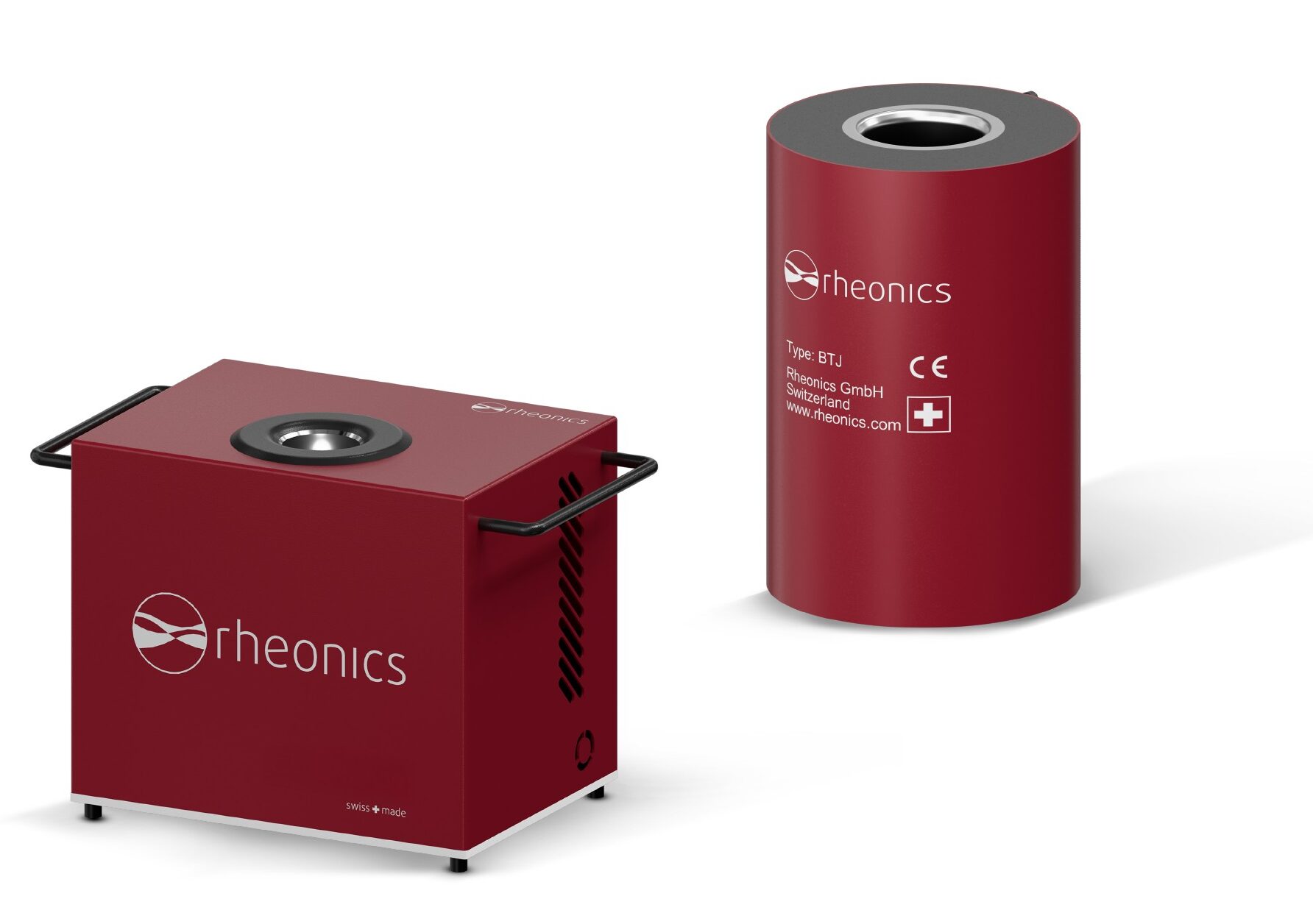
STCM
Take a sample from the process and measure the viscosity and/or density of the fluid. Control the fluid’s temperature and maintain it thermally uniform around the sensor’s sensing element with the built-in heating and cooling module or through an external bath source.
Calibrator
Use the Rheonics Calibrator along with the Rheonics Calibrator Software to certify your SRV and SRD sensor calibration.
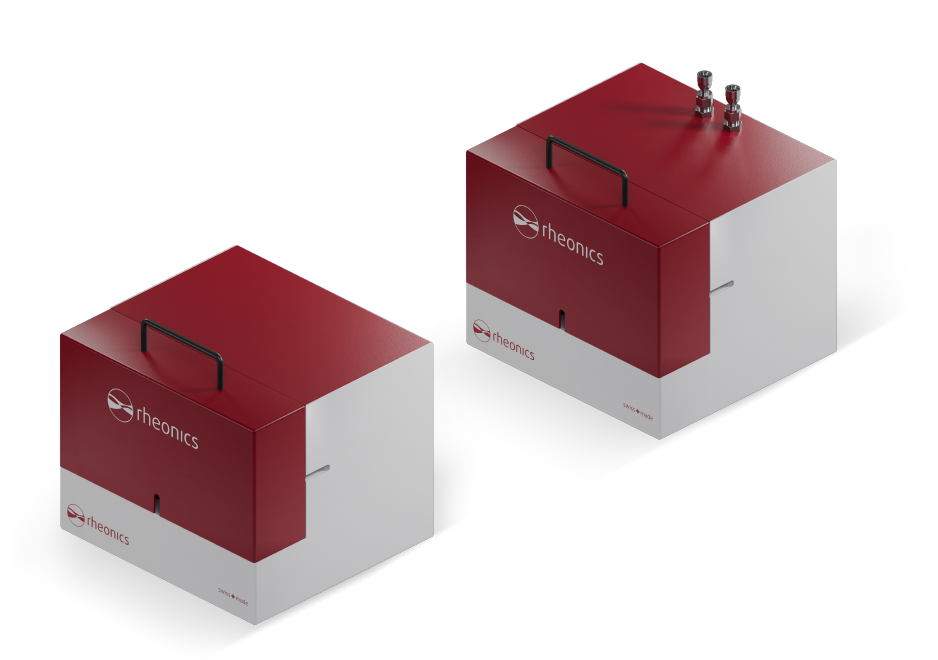
DTCM
Take a sample from the process and measure the viscosity and/or density of the fluid. Control the fluid’s temperature and maintain it thermally uniform around the sensor’s sensing element with the built-in heating and cooling module or through an external bath source.
Specifically designed to be used with the DVM Sensor