
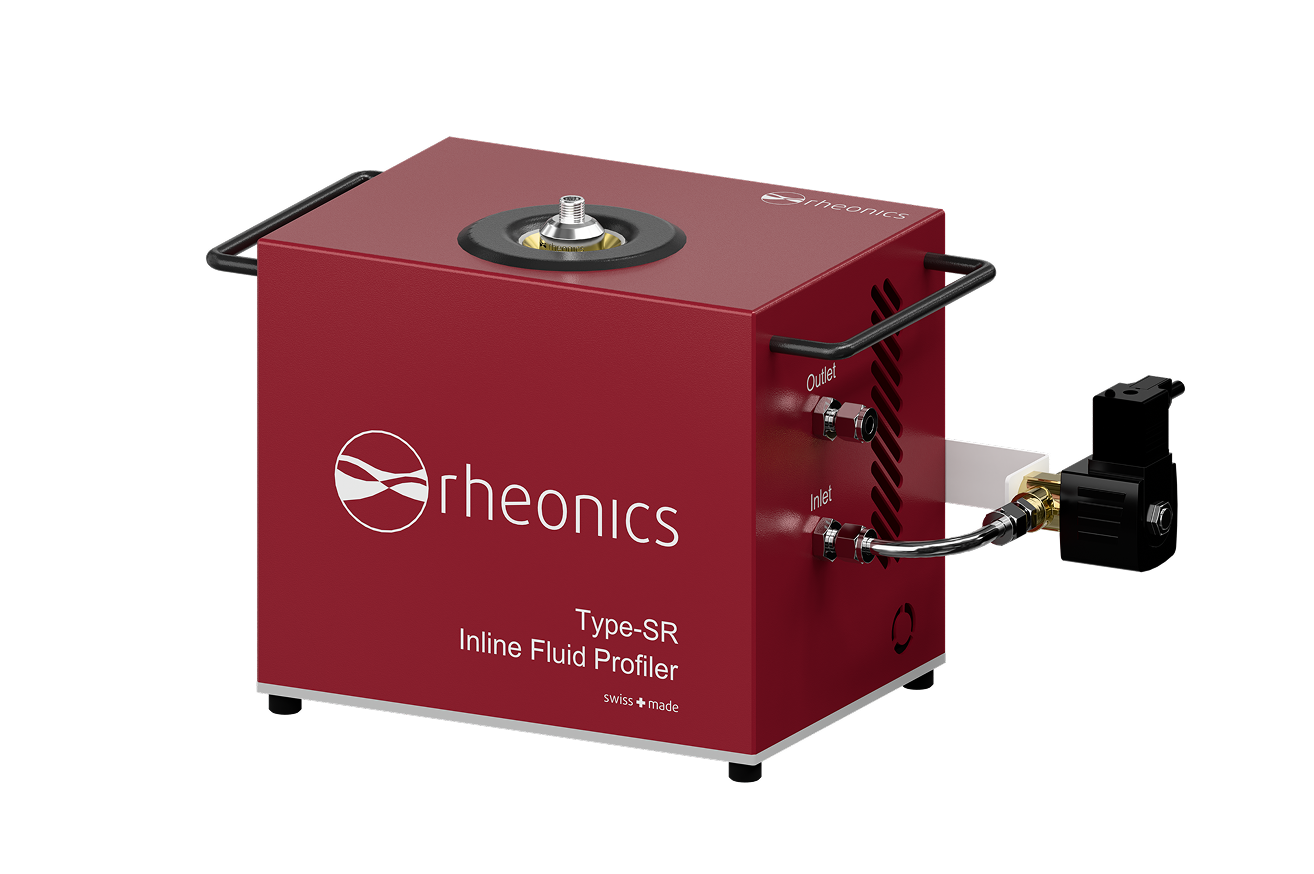
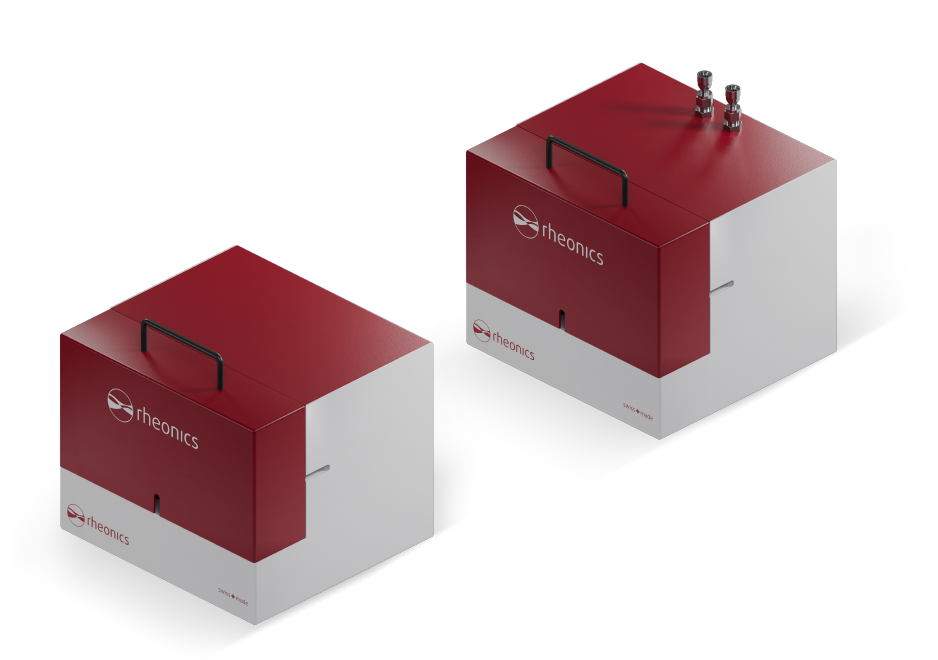
Rheonics STCM-IFP
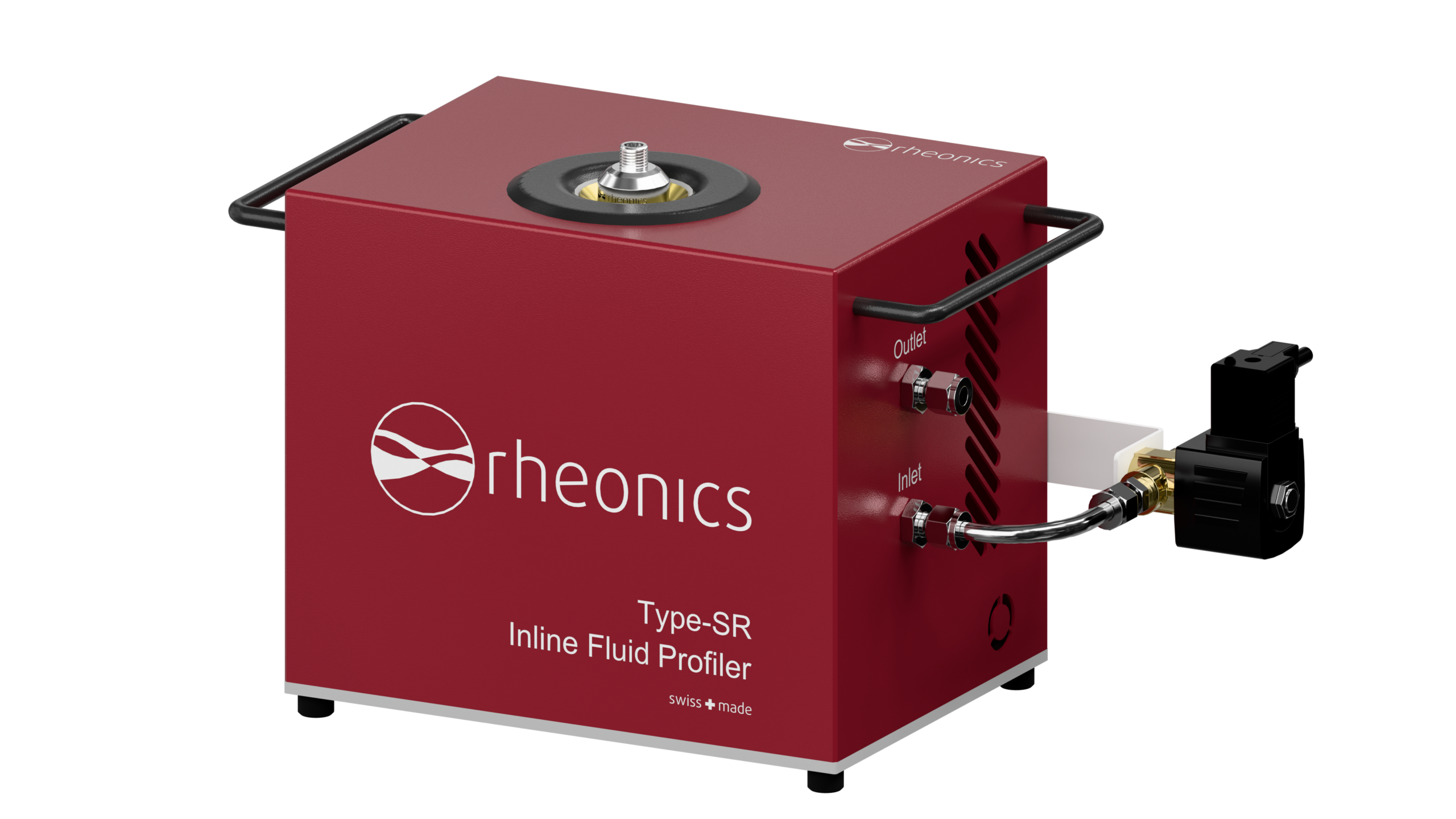
Type-SR Temperature Control Module – Inline Fluid Profiler Version
- Fluid temperature range: 10 °C (or 15 °C below room temperature) up to 150°C
- Temperature stability: 0.005°C
- Native RPS compatibility
- RCP software with IFP
- Plug-in USB-C/RS-485.
Overview
Lab-quality viscosity,
measured on-line.
The Rheonics STCM-IFP is an auto-sampling system that measures process fluid at a well-defined temperature in on-line setups, using the Rheonics SRV inline process Viscometer.









Why it exists


When to use it
In many cases the SRV can be directly integrated into the process line or mixing vessel — but the process condition may not be suitable for a representative viscosity measurement. Typical use cases:
Cooling for QC
Process line operates at 200 °C, but QC needs the viscosity at 25 °C.
Multi-point measurement
Process line temperature is at 40 °C. Viscosity is needed at 20 / 60 / 100 °C.
Unstable process temperature
Process line temperature varies strongly. QC needs measurement always at 25 °C.
Fluid characterization
Fluid characterization over a broad temperature range (viscosity vs. temperature curve); flow or other operational conditions affect the fluid-measurement.
How it works
This Rheonics product uses dedicated software that enables the auto-sampling function, making the effort to get a sample of the process fluid straightforward, non-operator-dependent, and automated.
High-end Peltier elements
The heating and cooling of this thermal chamber are achieved through high-end Peltier elements.
RPS-A
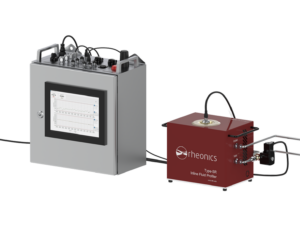
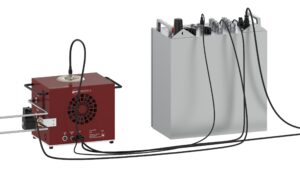
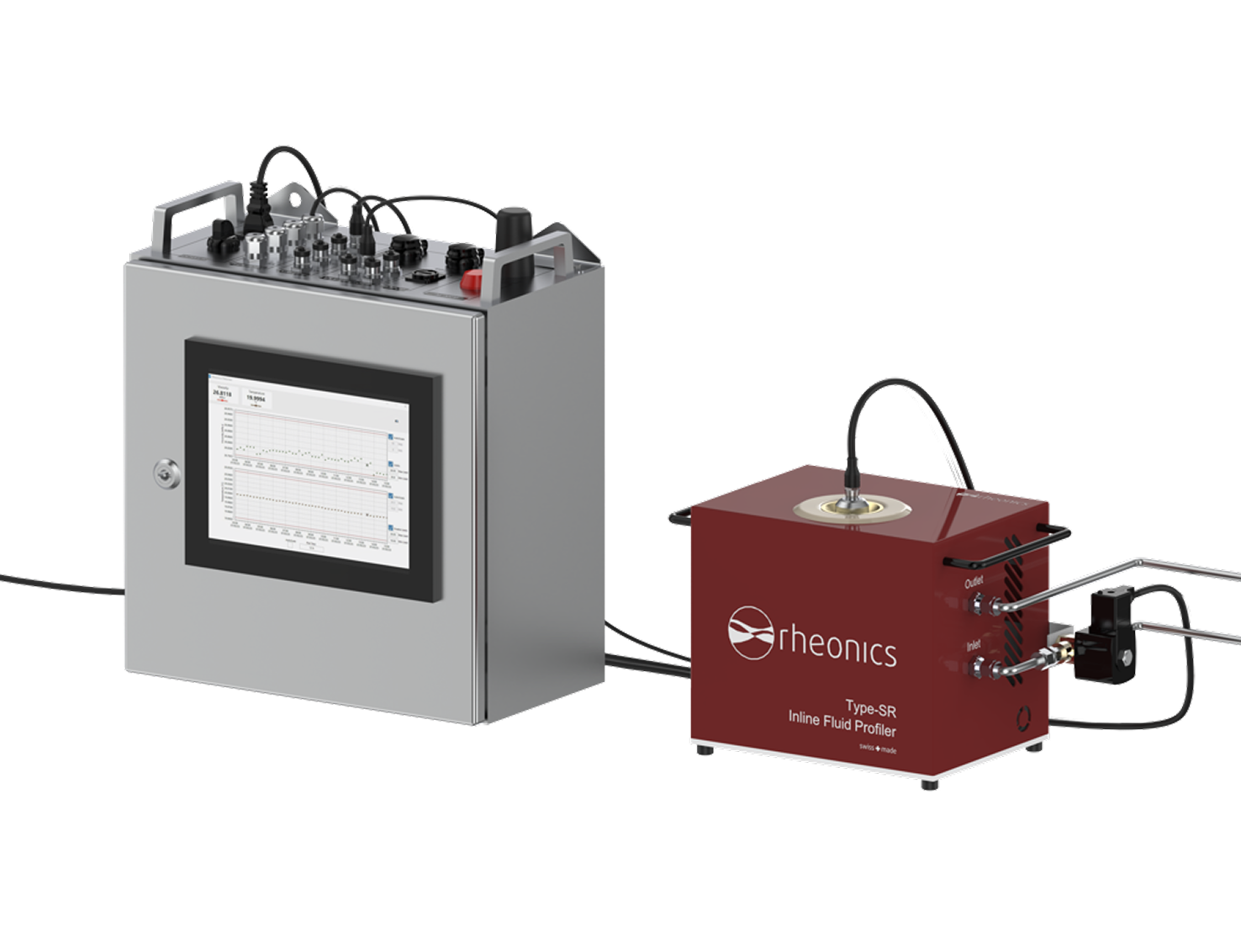
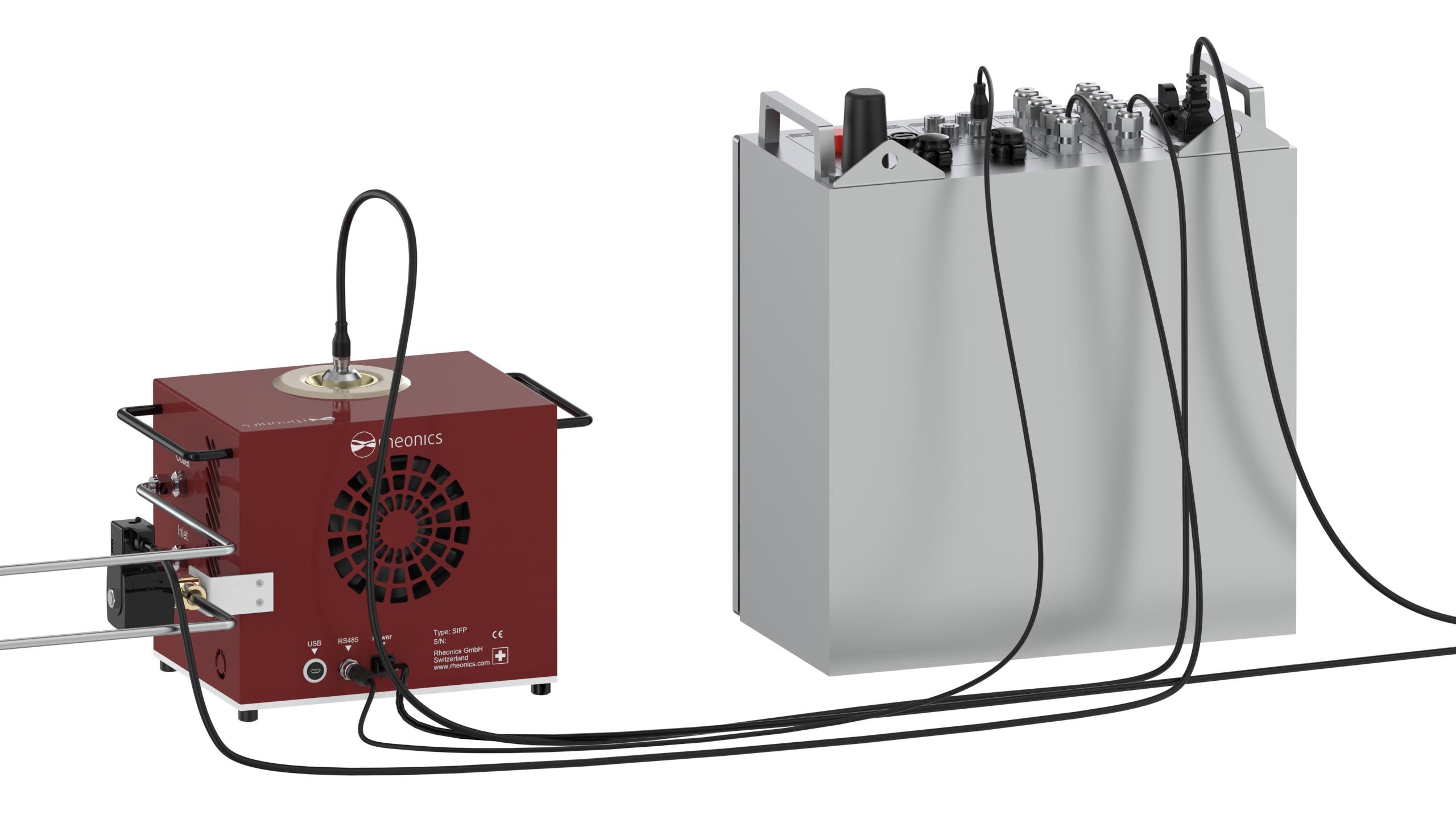
The control system for the STCM-IFP is the RPS-A, which performs auto-sampling, controls the temperature of the IFP, logs the viscosity measurements, processes the data, and displays the data.
Product page ›Operation
The STCM-IFP is a fully automated auto-sampling system
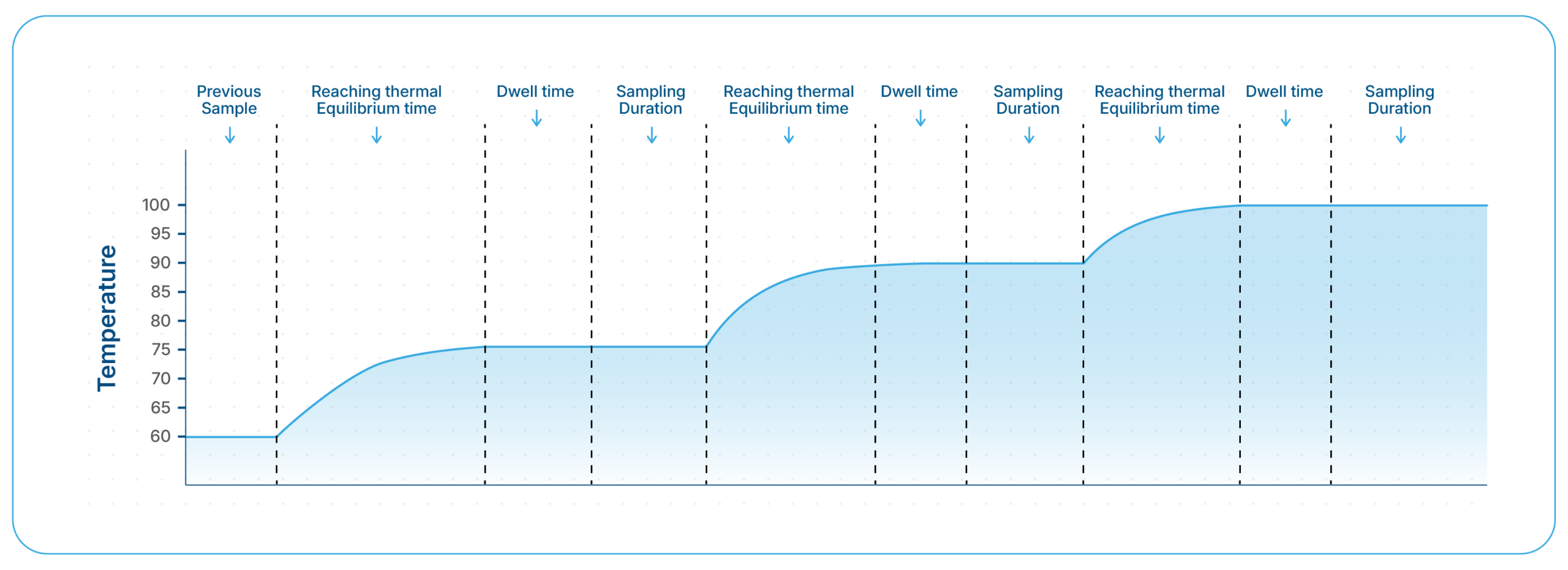
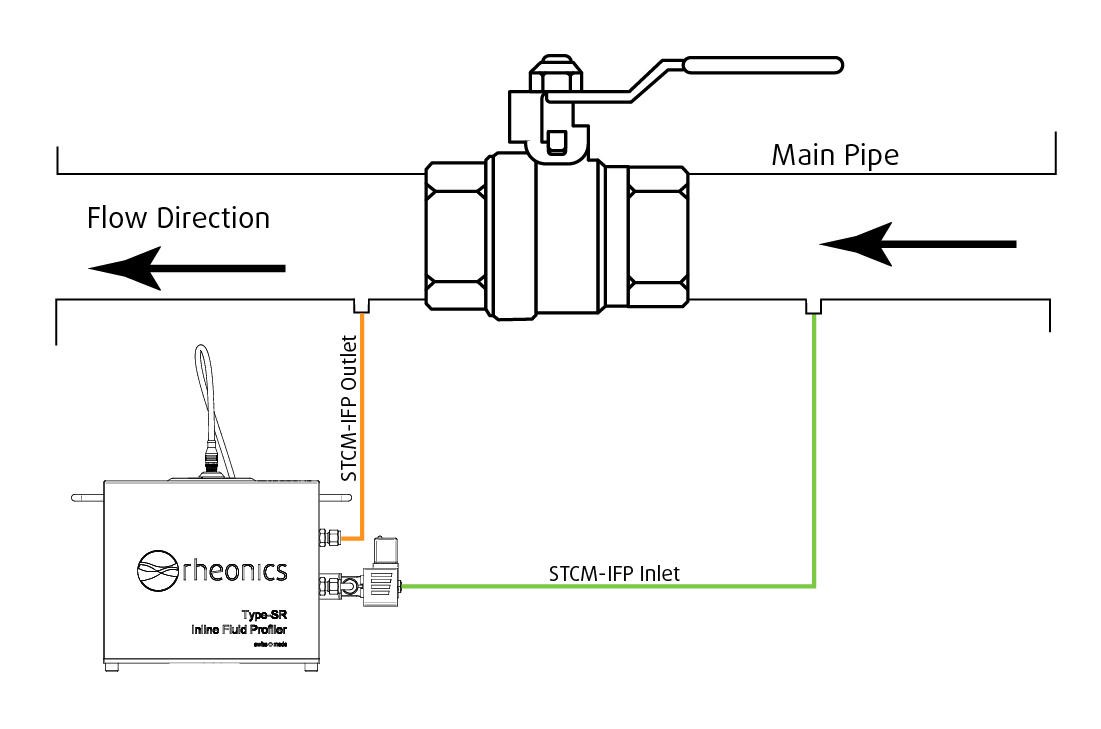
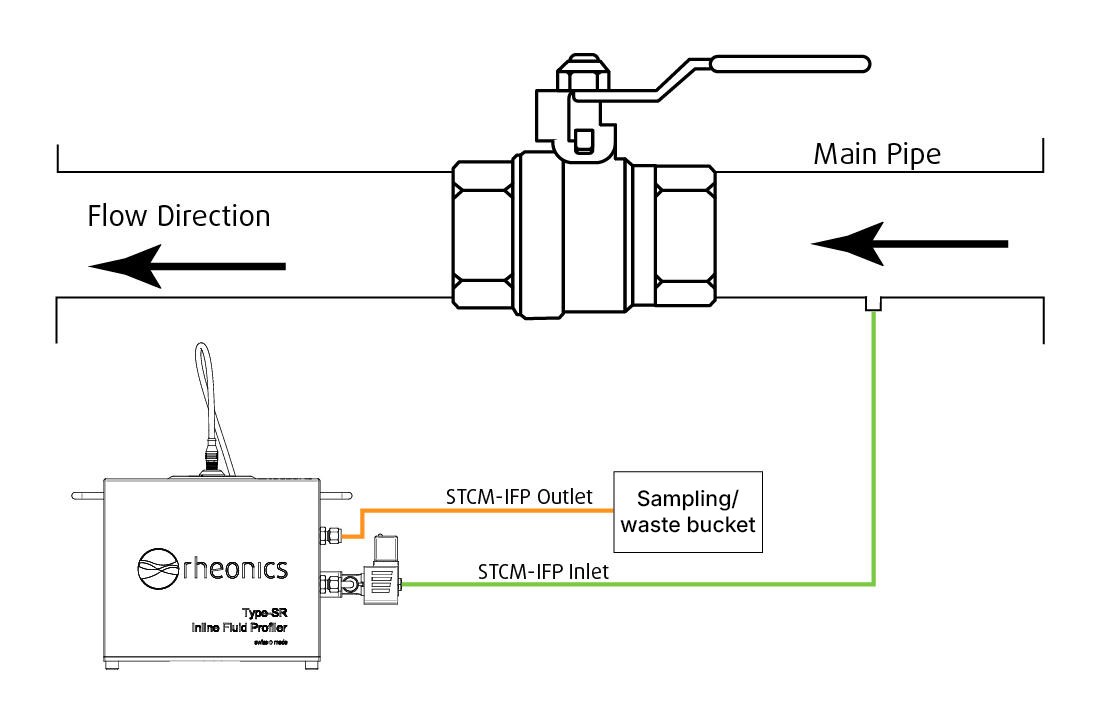
In general, we want to measure the process fluid under highly controlled temperature conditions. This is achieved by first pulling a sample from the process and heating or cooling it to the desired temperature by opening a valve or activating a pump. The time during which the valve remains open (Valve Time) should be long enough to replace the old sample fluid in the measurement chamber with fresh fluid from the process. Once the valve is closed, the STCM-IFP will reach the desired measurement temperature, and when it is reached, the dwell time starts. During this time, the sensor probe and fluid sample will reach thermal equilibrium. After the dwell time is over, the logging process starts (referred to as Sampling Duration). Once the whole process is done, the valve opens again. This sequence is repeated in an infinite loop. See some examples of use below.
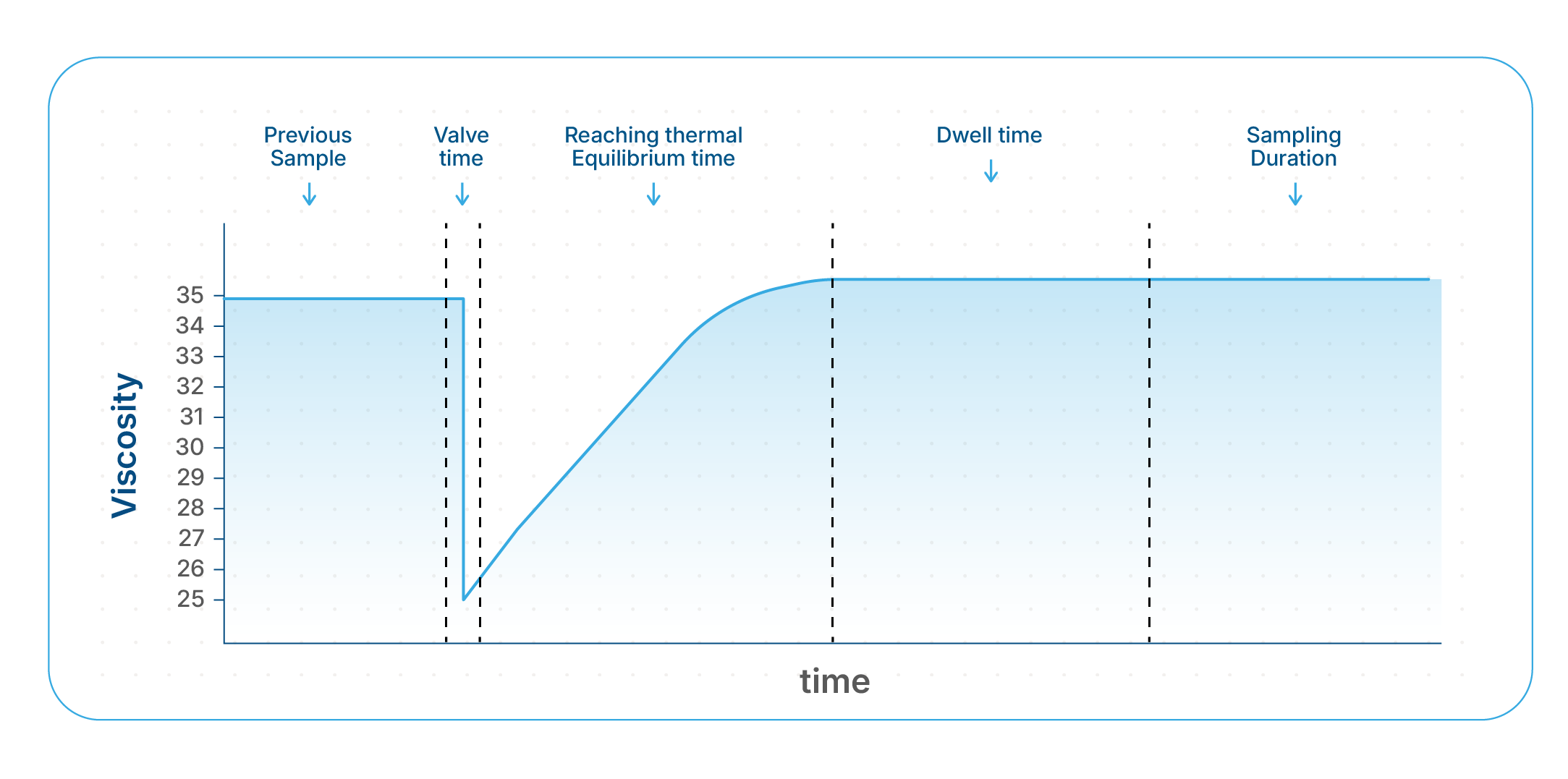
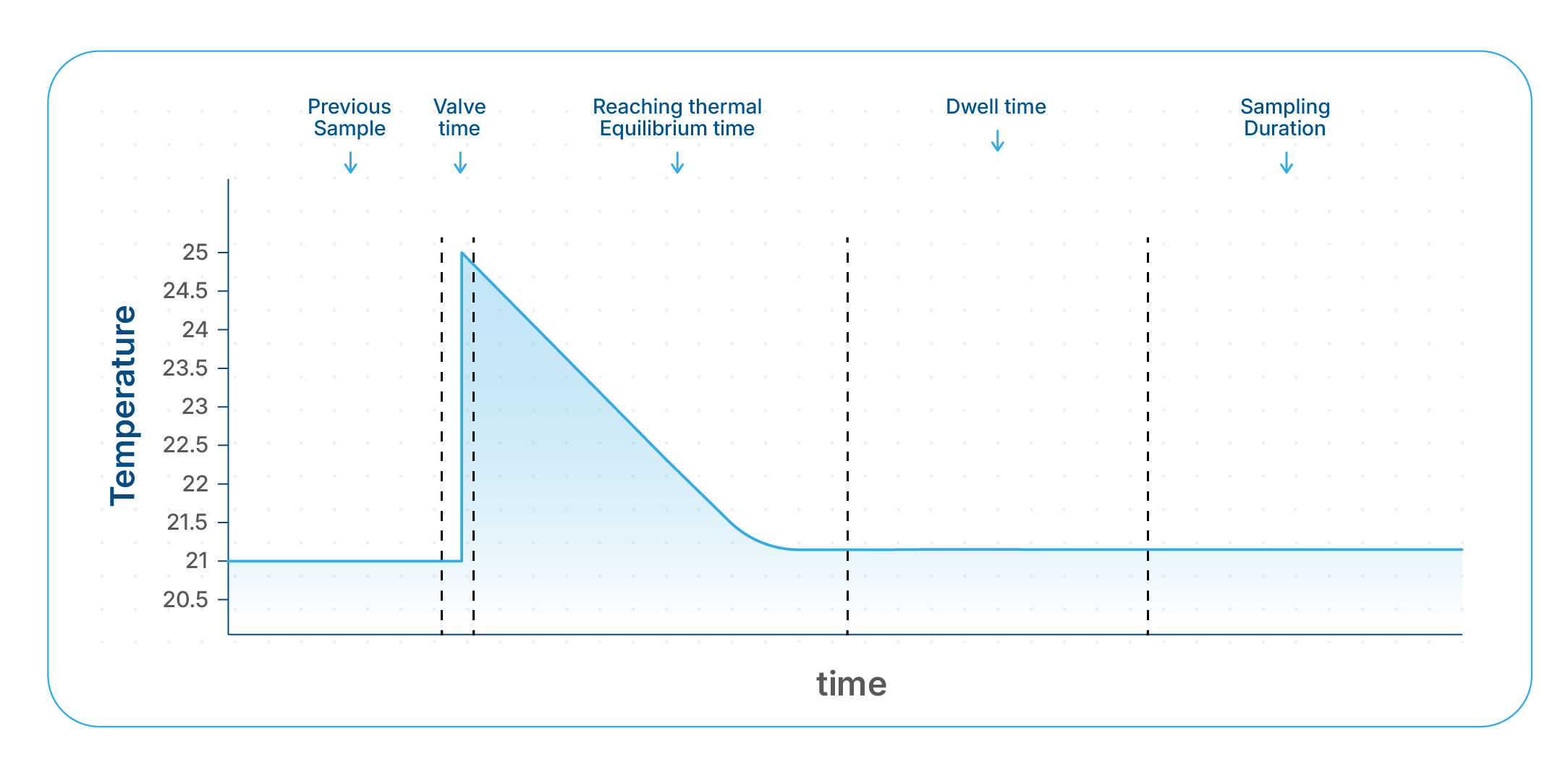
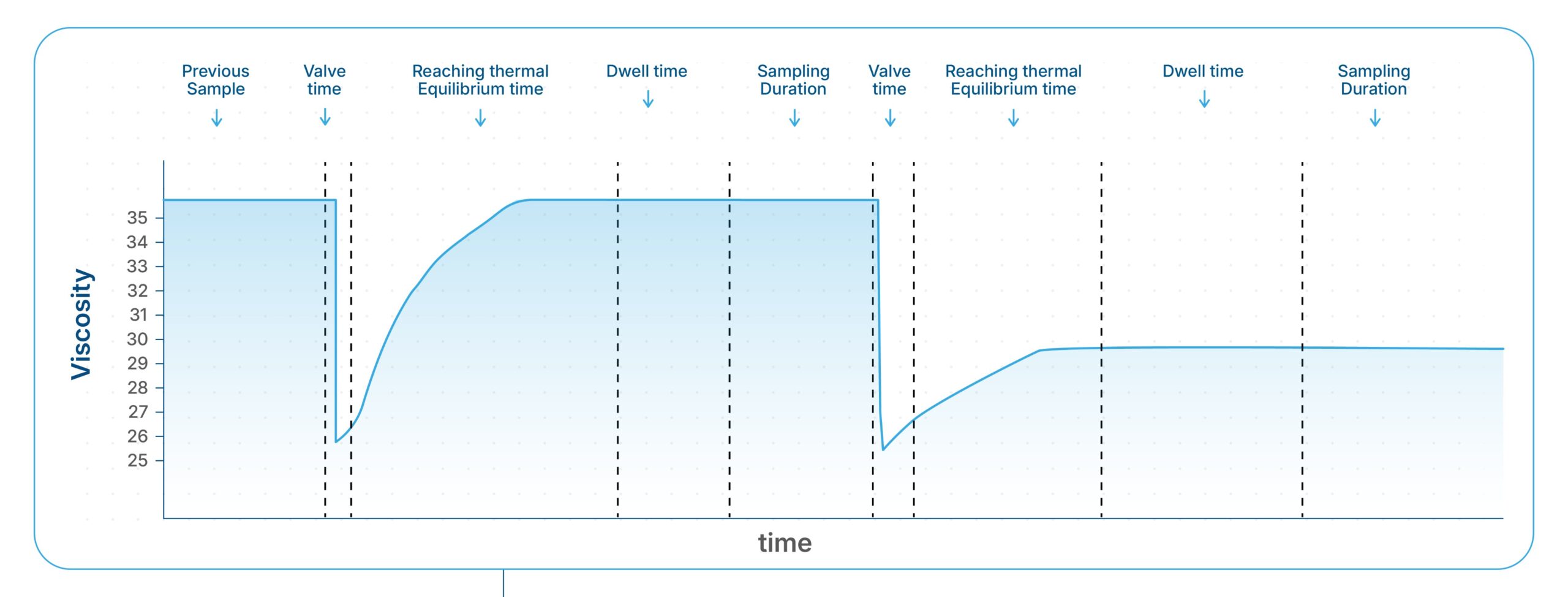
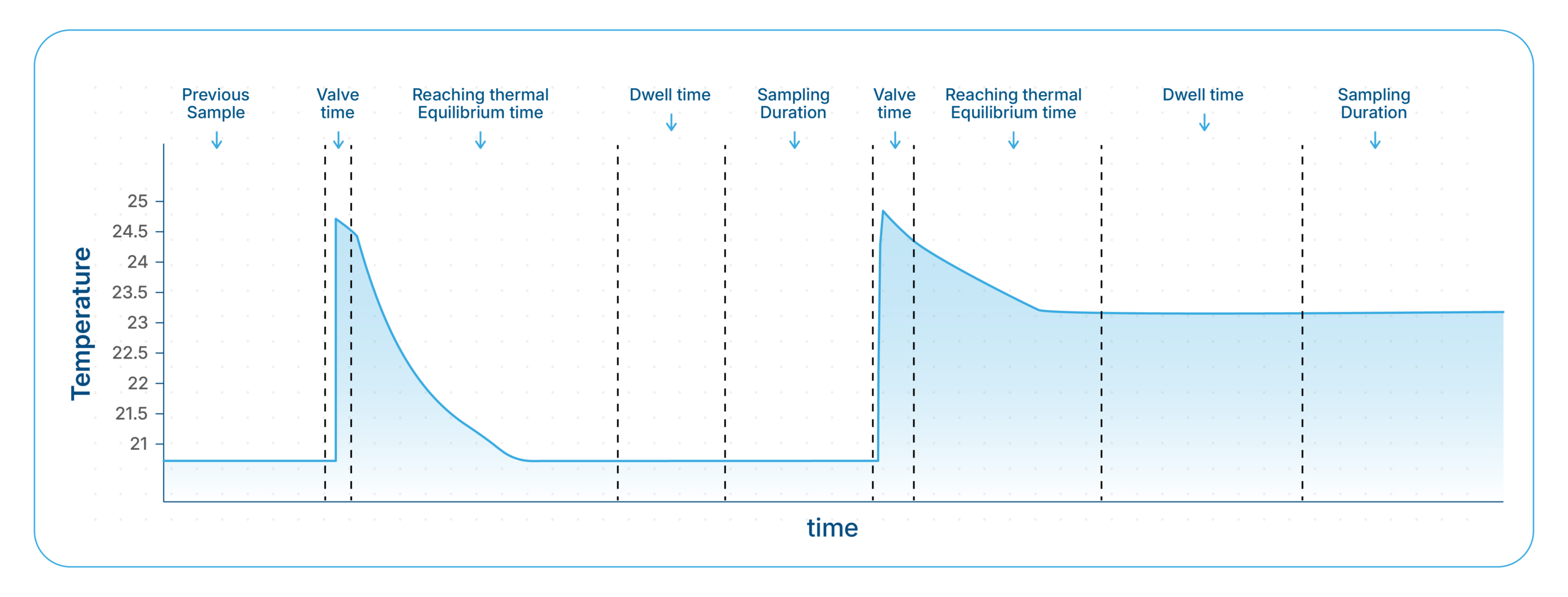
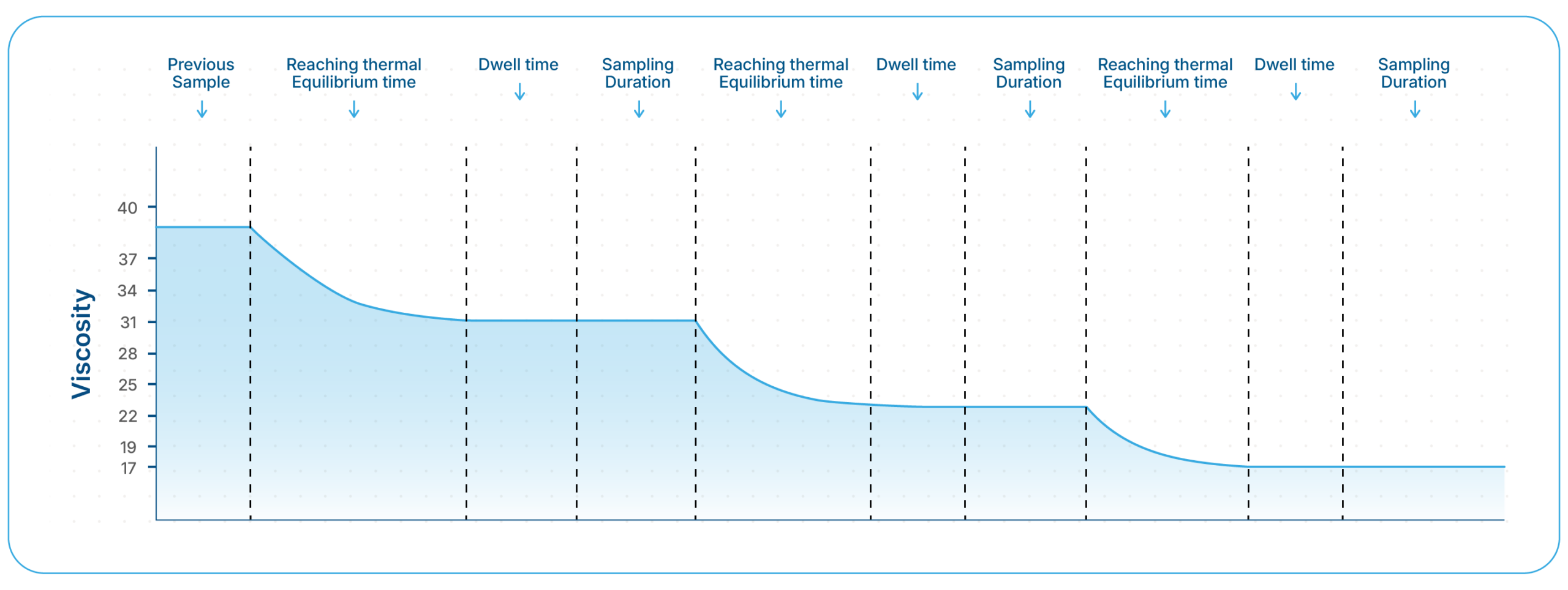
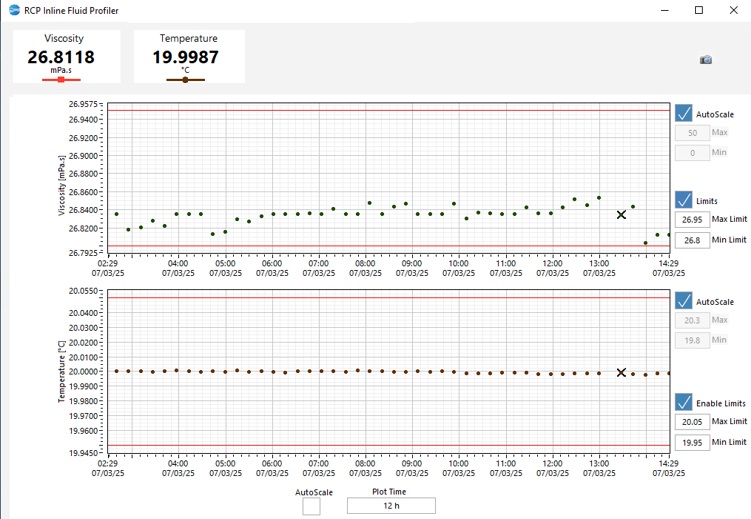
The process mentioned before is done by using the RCP Inline Fluid Profiler, which is the auto-sampling software used to configure and establish all the parameters mentioned before (Valve Time, Dwell Time, Sampling Time, and Temperatures). This software also records the samples obtained during use, calculates an average, and the result is displayed in the Measurement tab within the DataView section. See the following figure for an example where the customer wanted to achieve a measurement at 20°C.
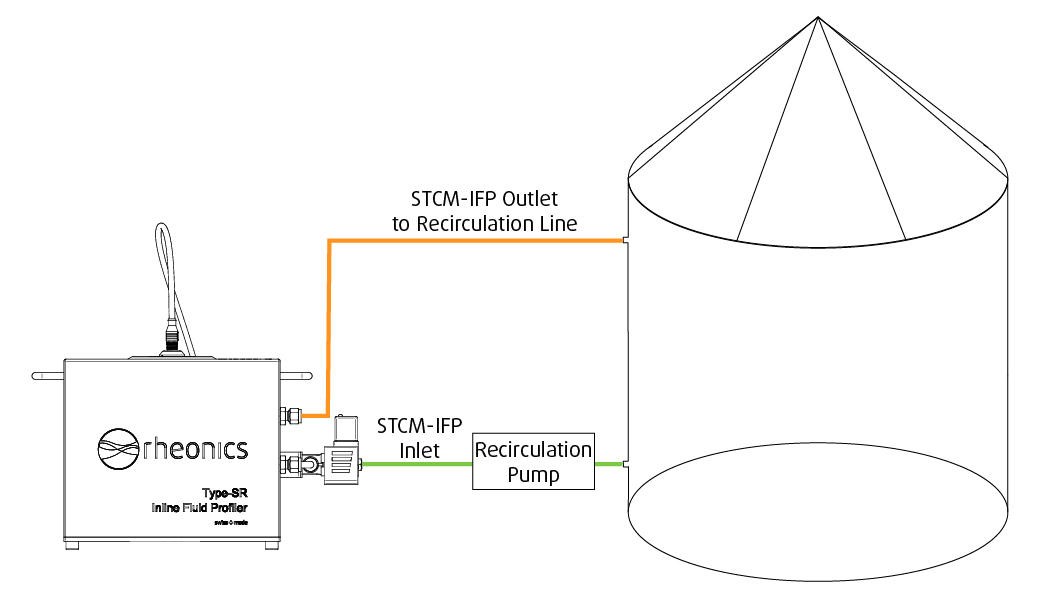
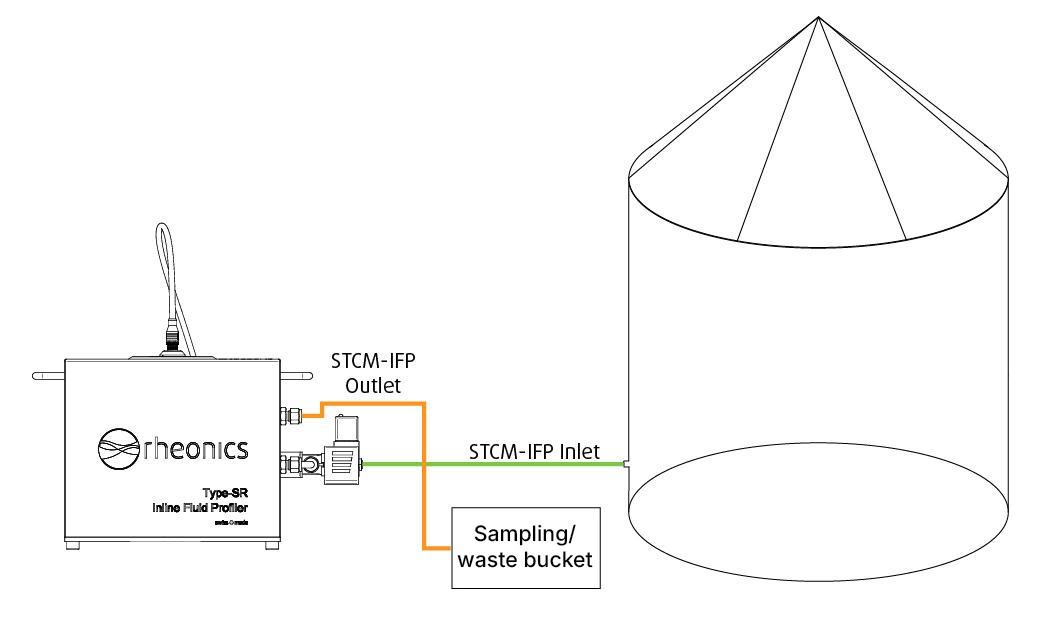
The STCM-IFP is best connected to already existing manual sample ports of the process, allowing to analyze the same sample fluid in the STCM-IFP and by QC in the lab, but with a higher frequency. The STCM-IFP is designed to reduce and eventually remove the need for manual sampling for process control and quality inspection, enabling the building of correlations between the SRV measurement and quality control.
Related TCM Products
See more about our different TCM accessories
STCM
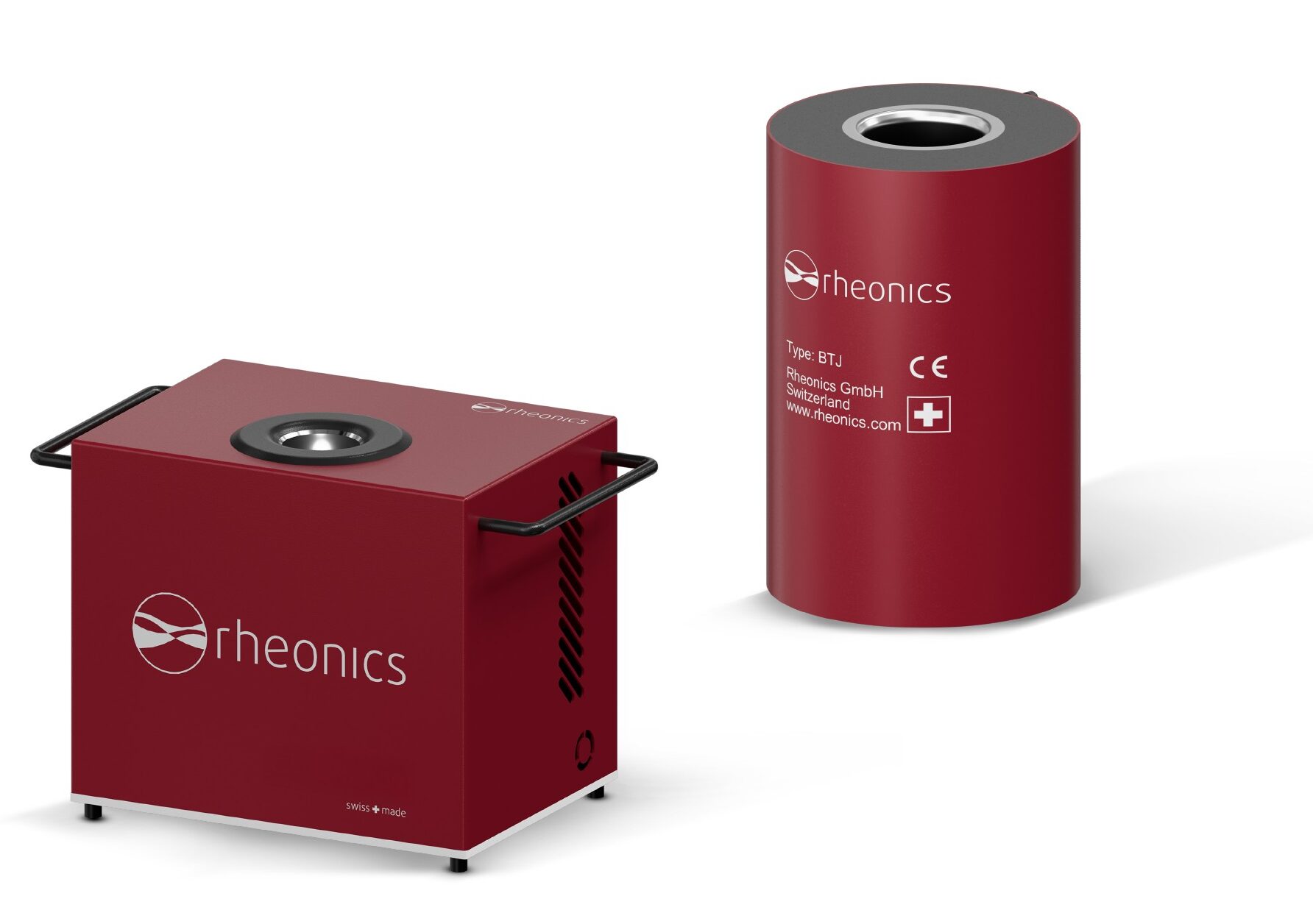
Take a sample from the process and measure the viscosity and/or density of the fluid. Control the fluid’s temperature and maintain it thermally uniform around the sensor’s sensing element with the built-in heating and cooling module or through an external bath source.
Calibrator
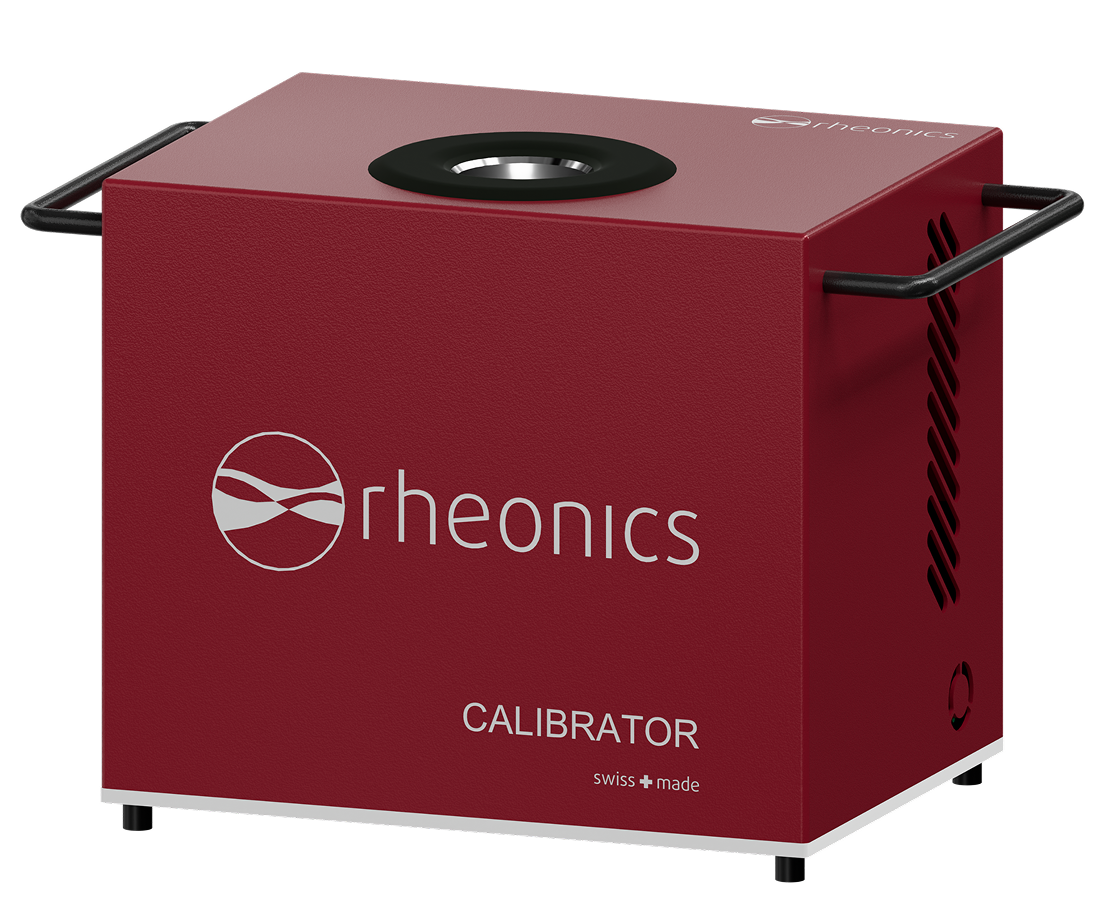
Use the Rheonics Calibrator along with the Rheonics Calibrator Software to certify your SRV and SRD sensor calibration.
DTCM
Take a sample from the process and measure the viscosity and/or density of the fluid. Control the fluid’s temperature and maintain it thermally uniform around the sensor’s sensing element with the built-in heating and cooling module or through an external bath source.
Specifically designed to be used with the DVM Sensor