
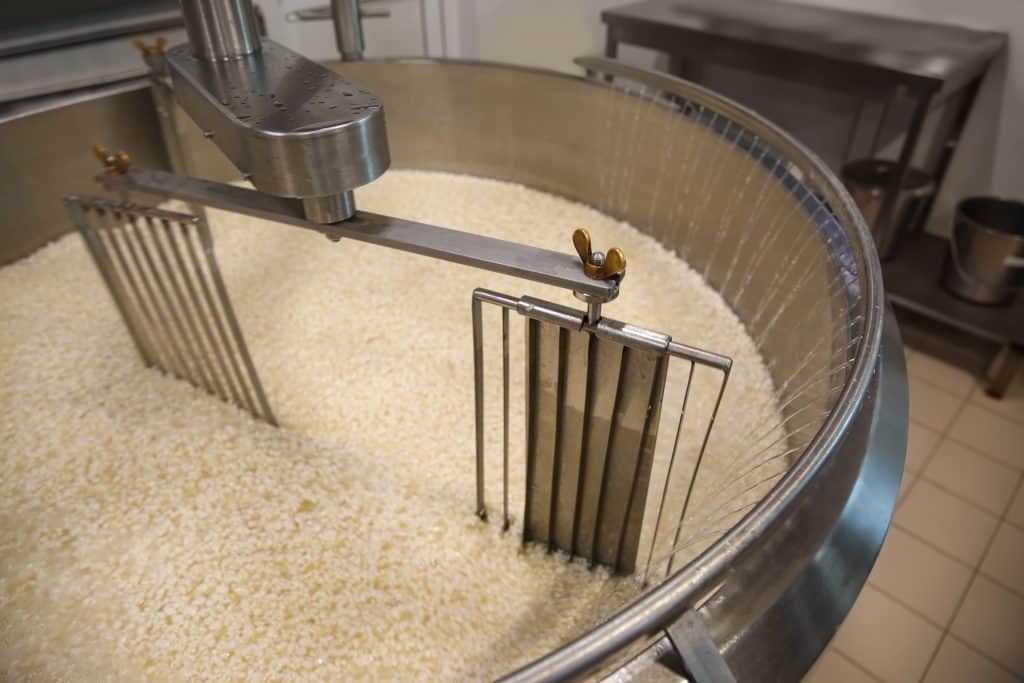
Why Cutting Time Matters in Cheese Production
In cheese manufacturing, timing is everything. Cutting the curd too early or too late can directly impact moisture, texture, and overall yield. Traditionally, this decision has relied on operator experience or fixed time intervals—both of which introduce variability and risk.
As production scales and quality demands increase, relying on subjective or indirect methods is no longer enough.
From Estimation to Real-Time Control
Modern dairy processing is shifting toward real-time, data-driven decision making. Instead of estimating when the curd is ready, inline measurement technologies allow producers to monitor the process continuously.
Viscosity plays a key role here. It reflects the structural evolution of milk during coagulation, making it a reliable parameter to determine when the gel has reached optimal firmness for cutting.
Inline Viscosity Measurement: A Smarter Approach
Unlike indirect techniques that rely on models or approximations, inline viscosity measurement provides a direct and continuous view of the coagulation process.
As explained in our application note, this enables:
- Accurate detection of optimal cutting time
- Reduced variability in texture and product quality
- Higher retention of milk solids and improved yield
- Real-time process control and automation
By integrating inline sensors, manufacturers can move from reactive adjustments to proactive control—ensuring consistent results across batches.
Explore the Full Application
Want to dive deeper into the science and implementation behind this approach?
🔗 Read the full application note: Cheese coagulation monitoring and cutting automation with inline viscosity measurements
Discover how inline viscosity measurement improves yield, consistency, and process control in dairy production.
Connect with Rheonics
Follow us on social media to stay updated with the latest innovations, technical insights, and industry news.